
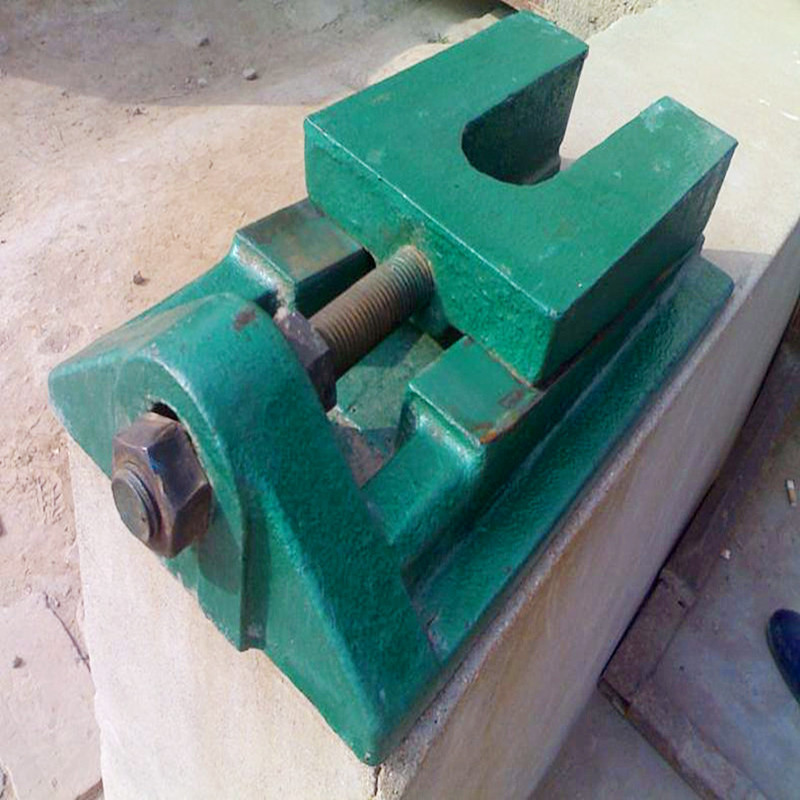
modern obscure glass
Replacing Water Cut-Off Valves A Comprehensive Guide Water cut-off valves, also known as shut-off valves, play a crucial role in plumbing systems. They are designed to stop the flow of water in pipes, allowing homeowners and plumbers to perform repairs or maintenance without flooding the area. Over time, these valves can corrode, become damaged, or malfunction, necessitating their replacement. Understanding the process of replacing water cut-off valves is essential for anyone interested in home maintenance or plumbing. 1. Understanding Water Cut-Off Valves Water cut-off valves can be found in various types, including ball valves, gate valves, and globe valves. Each type functions differently, but their primary purpose remains the same to regulate water flow. Ball valves are popular due to their durability and ease of use, featuring a spherical closure element that allows for quick on/off operation. Gate valves are better suited for applications where a full flow is essential, while globe valves are often used for throttling flow. 2. Safety First Before you begin the replacement process, safety should be your top priority. Start by shutting off the main water supply to your home. It is also advisable to drain the pipes to prevent any residual water from leaking out during the replacement process. You may want to place towels or a bucket beneath the valve area to catch any leftover water. 3. Gather Your Tools To replace a water cut-off valve, you will need several tools, including - Pipe wrench or adjustable wrench - Hacksaw (if cutting is necessary) - Teflon tape or pipe joint compound - Replacement valve - Bucket or towels for cleanup Make sure you have all these tools at hand before starting the process. replacing water cut off valves 4. Remove the Old Valve Begin the removal process by loosening the nuts or screws holding the valve in place. Depending on the valve's condition, you might need to use a pipe wrench to apply more torque. If the old valve is rusted or corroded, take care not to damage the surrounding pipes. If you encounter a stubborn valve, cutting the pipe section with a hacksaw may be necessary. Remember to cut straight to ensure a proper fit for the replacement valve. 5. Install the New Valve Once the old valve is removed, it is time to install the new one. Start by applying Teflon tape or pipe joint compound to the threads of the new valve to ensure a watertight seal. Then, position the new valve in place, tightening it securely with your wrench. Be careful not to overtighten, as this can lead to damage or future leaks. 6. Test for Leaks With the new valve installed, it’s time to turn the main water supply back on. Gradually open the new valve to check if it operates smoothly. Observe the area around the valve for any signs of leaks. If you notice water seeping out, you may need to tighten the connections a bit more or reapply Teflon tape if necessary. 7. Final Steps After you’ve confirmed that everything is functioning correctly and there are no leaks, clean up the area and dispose of the old valve responsibly. Double-check that all tools are accounted for and ensure you have restored the workspace to its original condition. Conclusion Replacing water cut-off valves may seem daunting at first, but with the right tools, safety precautions, and attention to detail, it can be a manageable DIY project. Whether you’re dealing with a leaky valve or simply conducting routine maintenance, knowing how to replace these valves is a valuable skill for any homeowner. Always remember to consult a professional plumber if you encounter any challenges that exceed your comfort level. With proper care and timely replacements, you can ensure that your plumbing system functions efficiently and effectively.
about
modern obscure glass
Understanding T-Slot Cast Iron Surface Plates A Comprehensive Guide In the world of precision machining and metrology, T-slot cast iron surface plates are essential tools that contribute significantly to maintaining accuracy and consistency in various manufacturing processes. These plates are designed to provide a stable and flat surface for the assembly, inspection, and alignment of components. Their robust construction, superior durability, and excellent feature set make them indispensable for engineers, machinists, and quality control professionals. What are T-Slot Cast Iron Surface Plates? A T-slot cast iron surface plate is essentially a large flat surface, typically made from high-quality cast iron, featuring elongated recesses or T-slots machined into its surface. These T-slots are designed to accommodate various clamping devices, fixtures, and accessories, making it easier to secure workpieces during measurement or assembly operations. The flexibility of adjusting the fixtures and incorporating different measuring instruments enhances the versatility of these surface plates. Materials and Construction Cast iron is the preferred material for surface plates due to its unique properties. It provides exceptional strength and rigidity, essential for maintaining flatness over time. Additionally, cast iron has excellent vibration dampening characteristics, which is crucial in reducing measurement errors caused by external disturbances. The surface of T-slot plates is typically ground to achieve a high degree of flatness, which is critical for precision work. The flatness is often inspected using a precision straightedge or a surface plate gauge, ensuring that the plate meets the stringent tolerances demanded in various industrial applications. Benefits of T-Slot Design The T-slot feature of these surface plates allows users to easily attach clamps, vises, and other fixtures. This adaptability is particularly beneficial in manufacturing environments where different tasks and workpieces might require varying setup configurations. The ability to rearrange fixtures without the need for additional mounting holes or equipment makes T-slot surface plates incredibly user-friendly. Moreover, the configuration also aids in setting up coordinate measuring machines (CMMs) and other precision instruments. By securely mounting workpieces to the T-slots, operators can achieve accurate measurements and inspections, resulting in high-quality outputs. Applications of T-Slot Cast Iron Surface Plates t slot cast iron surface plate T-slot cast iron surface plates have a broad range of applications across different industries 1. Machining They are utilized as reference surfaces for precision machining, where maintaining flatness and alignment is crucial for producing high-quality components. 2. Inspection When inspecting mechanical parts, surface plates offer a stable base for checking dimensions and tolerances . This is particularly important in quality control processes. 3. Assembly In assembly processes, T-slots provide flexibility for securing parts in place while they are being joined. The ability to customize the setup based on the parts being assembled enhances efficiency. 4. CMM Setup Surface plates serve as a base for coordinate measuring machines, ensuring accurate data collection and measurement of parts. Maintenance and Care To ensure longevity and maintain accuracy, T-slot cast iron surface plates require regular maintenance. It is essential to keep the surface clean and free from debris that can cause scratches or damage. Users should also regularly inspect the flatness of the plate and use precision leveling devices to ensure optimal performance. Rust prevention is another essential aspect of maintenance. Coating the surface with a light oil or using protective covers can prevent moisture ingress, ultimately prolonging the life of the surface plate. Conclusion T-slot cast iron surface plates are indispensable in the realm of precision manufacturing and measurement. Their combination of stability, adaptability, and robustness provides an excellent platform for various applications, from machining to quality inspection. By understanding their features, benefits, and maintenance, users can maximize the utility of these vital tools in their operations, leading to improved efficiency and accuracy in their projects. Whether in a workshop, factory, or laboratory, T-slot cast iron surface plates remain a cornerstone of precision engineering.
-

High quality industrial productsagement

High quality industrial products
View Details -

Meet the diverse needs of customers

Meet the diverse needs of customers
View Details -

Strict quality control

Strict quality control
View Details -

Top raw materials

Top raw materials
View Details -

Trusted supplier

Trusted supplier
View Details
Our application

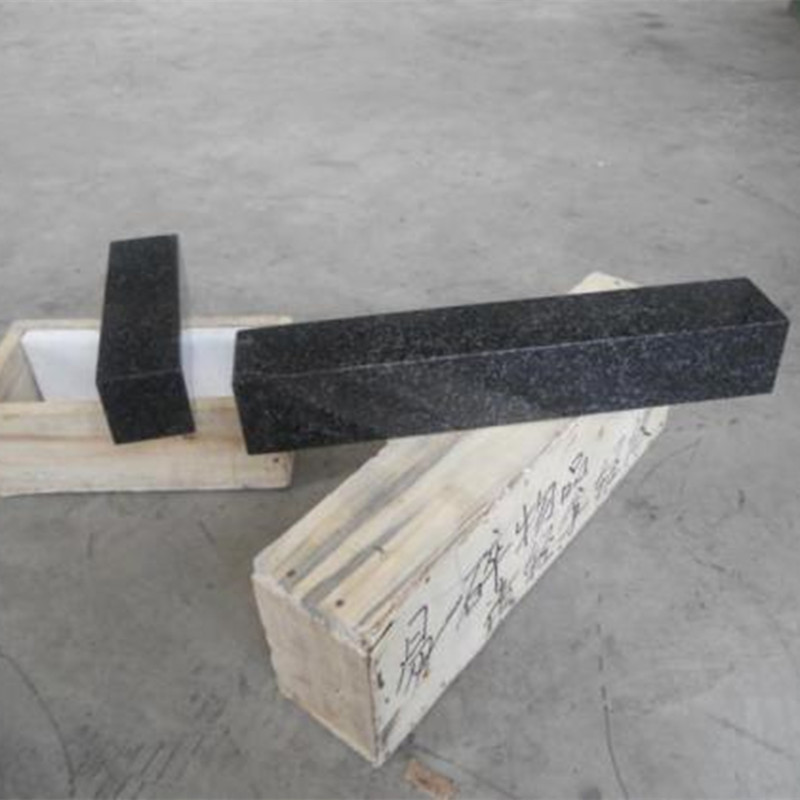

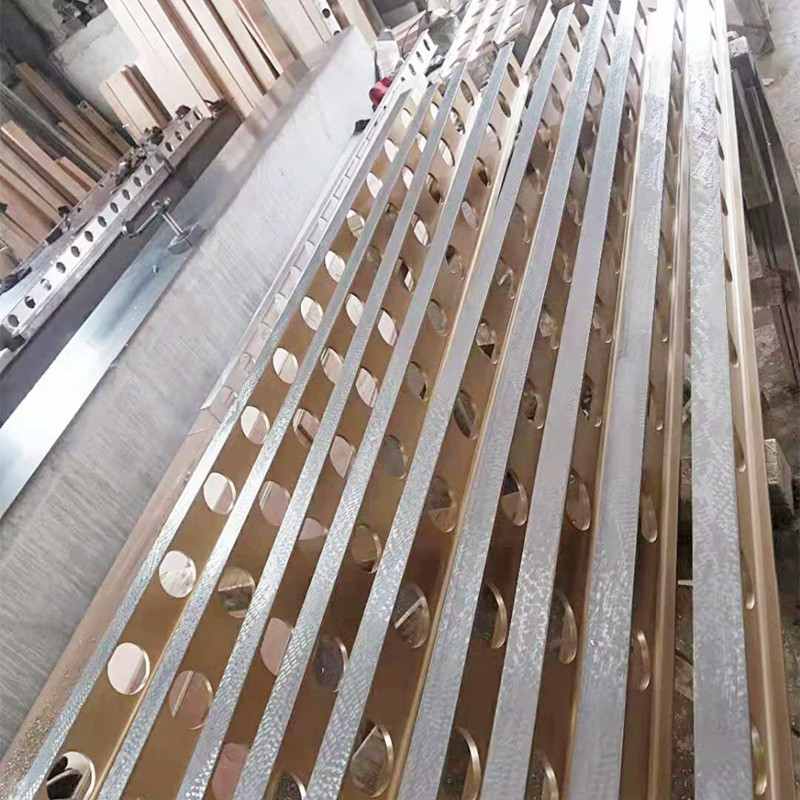
news and information
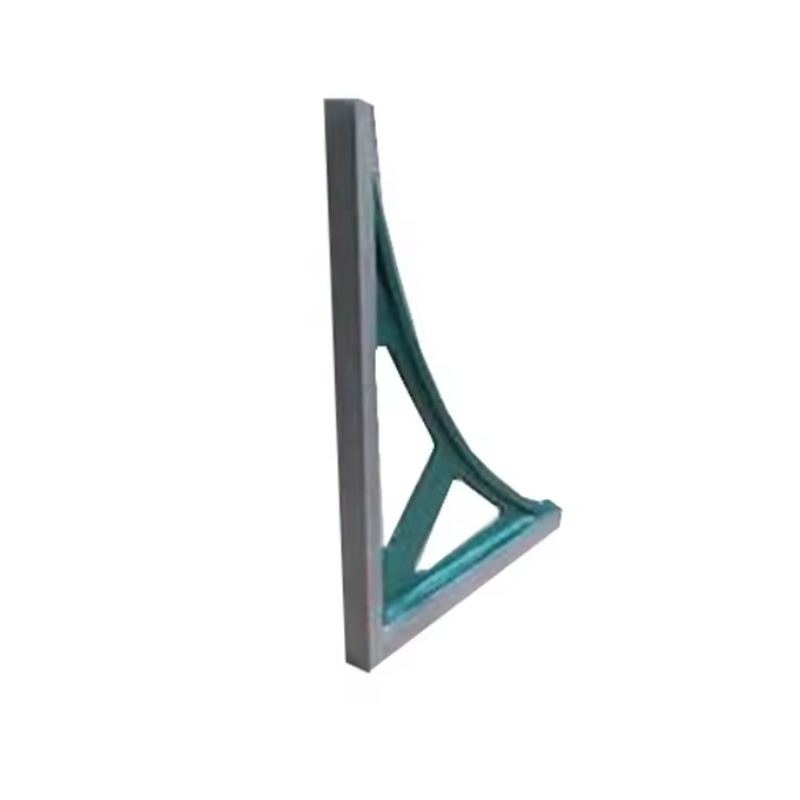
welded steel workbench
The Advantages of Using a Welded Steel Workbench In the realm of industrial workspaces, the signific
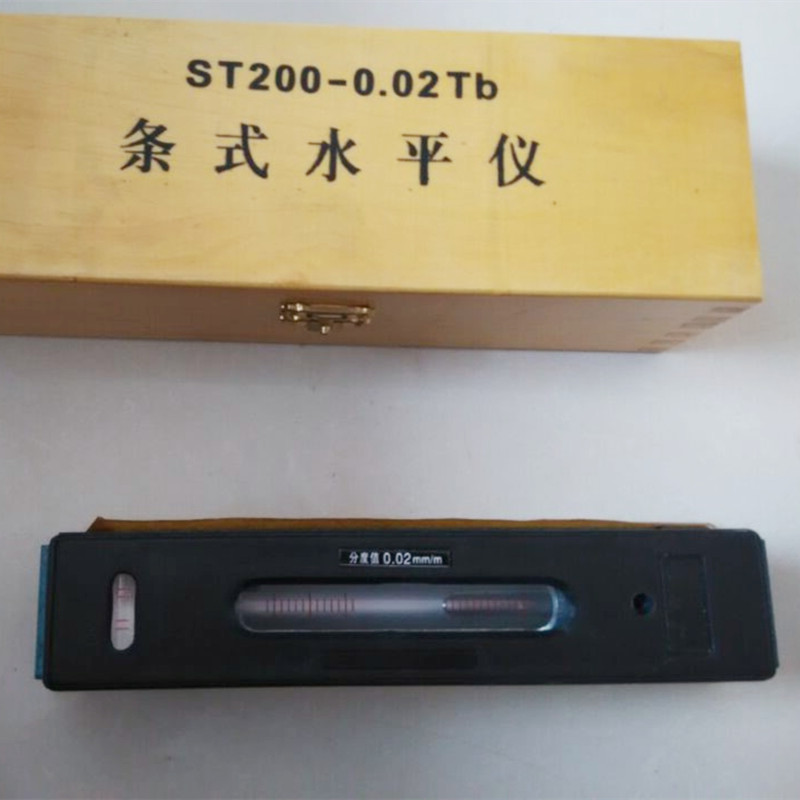
Using a Level for Accurate Measurements with a Marking Ruler
Using a Marking Ruler with Spirit Level A Guide to Precision in Projects When it comes to achieving
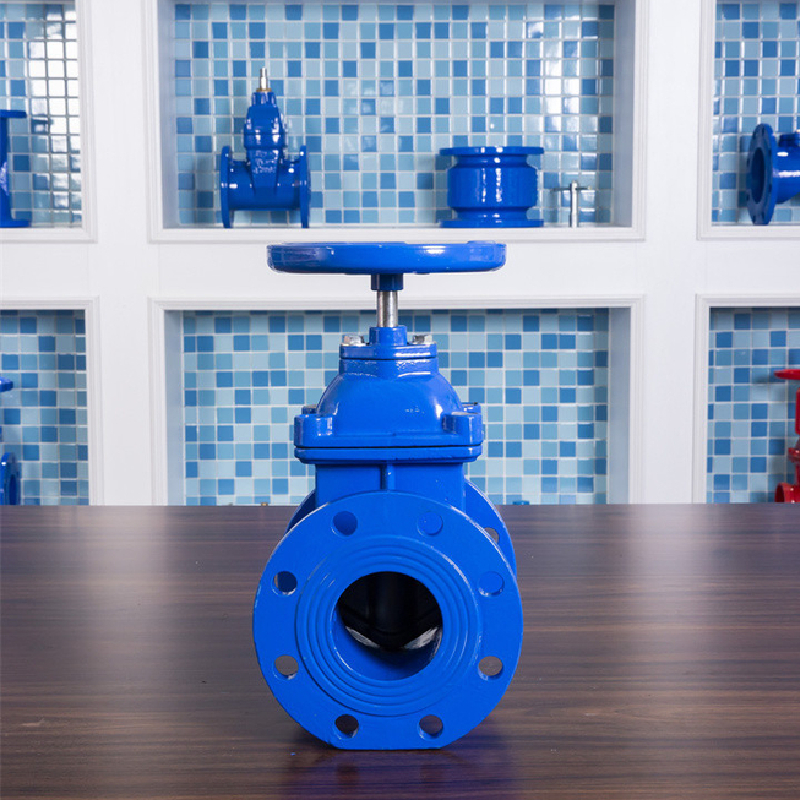
Vanne papillon de 75 mm
La vanne papillon de 75 mm Un élément clé dans les systèmes de plomberie La vanne papillon de 75 mm
 English